Trauma-Informed Tools That Actually Work: What Helped Me Heal (and Why It Might Help You Too)
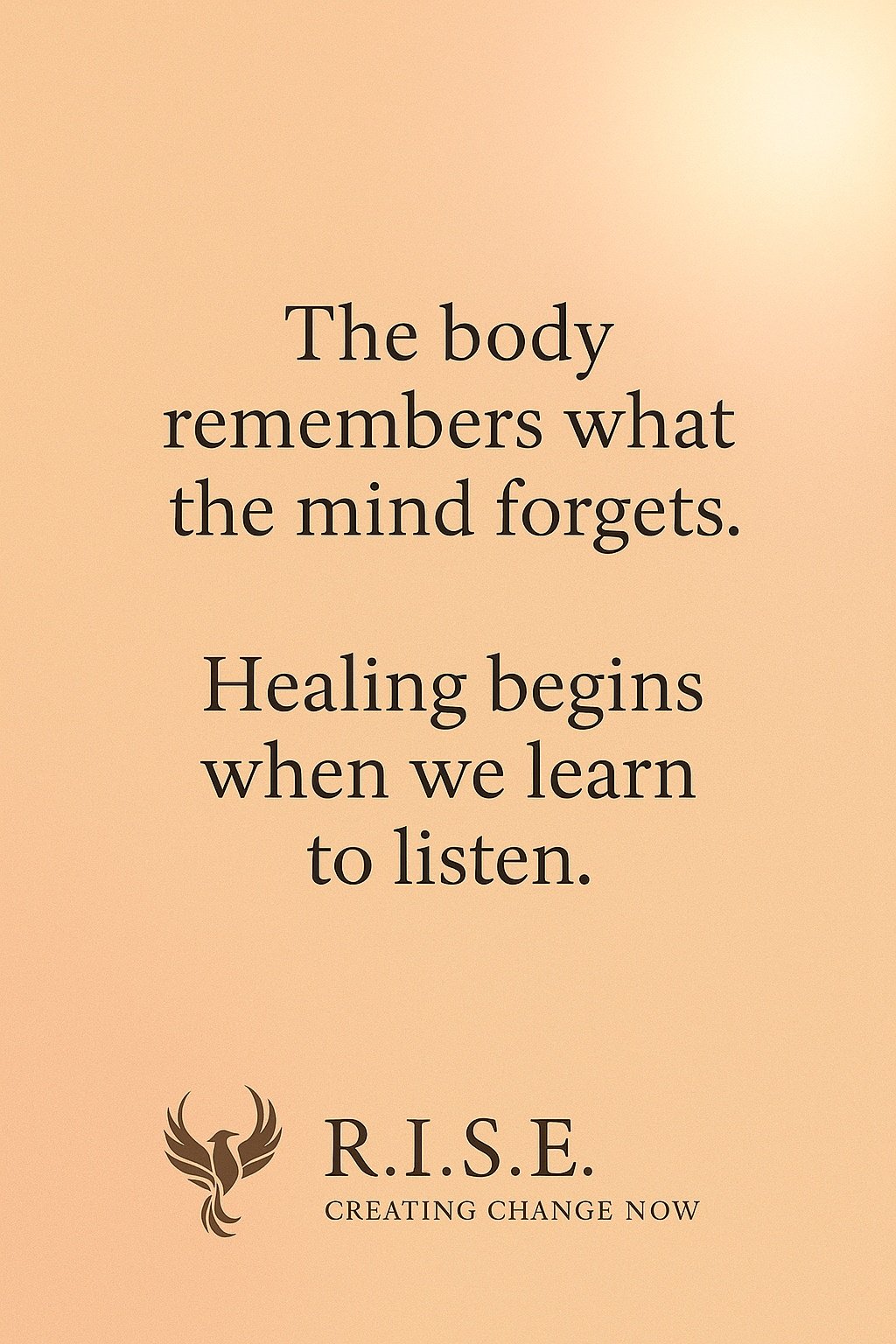
There comes a point when you’ve tried everything — the affirmations, the books, the deep breaths that never seem to go deep enough. And still, something feels stuck.
If that’s you, I want you to know: I see you. I’ve been you.
For years, I carried the invisible weight of my past — trauma, stress, people-pleasing, the echoes of expectations that weren’t mine. I tried to push through. I tried to stay positive. But what I really needed… was to feel safe enough to heal.
What made the difference for me wasn’t a single method or moment. It was a few gentle, trauma-informed tools — used with compassion, not pressure — that helped me come back to myself.
If you're a woman 40+ who's held everyone else together but still feels undone inside, maybe one of these tools can meet you where you are too.
🌀 1. Hypnotherapy: Releasing What Lived Beneath the Surface
For so long, I didn’t realise how much of my pain was stored in my subconscious — like old software running in the background of my life.
Hypnotherapy gave me a way to gently go beneath the surface and shift the patterns that were keeping me stuck. Not by force. But with curiosity, calm, and safety.
It helped me release emotional residue from childhood, rewrite beliefs shaped by trauma, and begin to feel free in my body, not just in my mind.
🤲 2. EFT (Tapping): A Tool When Emotions Feel Too Big
There were days when talking felt like too much. When emotion sat in my chest like a stone and I didn’t have words.
That’s when EFT — Emotional Freedom Technique — became a lifeline.
Tapping gave me something physical to do with the energy in my body. It calmed my nervous system, helped me feel safe in my emotions, and gave me a tool I could use anywhere, anytime.
🌱 3. Trauma-Informed Manifesting: Doing It Differently
I used to feel frustrated with the idea of “just think positive.” It felt like spiritual bypassing — like I was being asked to paint over wounds with glitter.
But then I discovered trauma-informed manifesting: a way to dream and call in change that also honours the grief, the fear, and the healing still in process.
This approach let me honour my nervous system while still opening to possibility. It felt safe. It felt real. And it worked.
✍️ 4. Journaling, Movement & Giving My Voice a Way Out
Sometimes healing came through writing. Other times it came through screaming into a pillow, dancing in my living room, or whispering truths into the mirror.
I learned that healing doesn’t have to look pretty. It just has to be true.
I stopped shaping my voice to please others — and started using it to set myself free.
💬 Final Thoughts: What Helped Me Might Help You Too
These tools aren’t magic. They’re not quick fixes. But they are gentle, powerful ways to come home to yourself.
If you’ve been feeling like you’ve done everything and nothing has truly worked… maybe you haven’t found the right combination yet.
And maybe — just maybe — your healing doesn’t have to be hard.
You don’t have to carry it alone.
Whether you’re just beginning, already on the path, or returning to yourself after years of quiet struggle… you’re not broken.
You’re becoming.
Let’s rise together.